





















The Feeding Checklist
Breastfeeding and bottle feeding essentials for the early months, in one list you can tick off.
Feeding looks different for every family, and it often changes over the first months. This checklist covers breastfeeding essentials, expressing, and bottle feeding, so you can tick off what suits you and skip the rest. Your progress is saved on this device.
You will need it from day one
Breastfeeding and expressing
Nursing pillow
A nursing pillow lifts your baby to breast or bottle height and takes the weight off your arms and shoulders during long feeds.
Shop nursing pillows →Breast care
Breast pads, nipple balm and warm or cool packs help in the first weeks while feeding settles. See a lactation consultant or your midwife if feeding is painful.
Shop breast care →Breast pump
A breast pump lets you express milk for bottles or to relieve fullness. Manual pumps suit occasional use, and electric or wearable pumps suit regular expressing.
Shop all breast pumps →Pump accessories
Spare shields, valves and milk storage keep a pump working well. Parts are brand specific, so match them to your pump.
Shop pump accessories →Bottle feeding
Bottles and teats
Start with a few bottles and a slow-flow newborn teat. Teat flow goes up in stages as your baby grows, so check the age guide on the pack.
Shop bottles and teats →Steriliser
Sterilise bottles, teats and pump parts after every use for the first 12 months. Electric steam and microwave sterilisers both work, so choose by bench space and how many bottles you wash each day.
Shop all sterilisers →Bottle warmer
A bottle warmer heats milk evenly and to a steady temperature. Never warm milk in a microwave, and always test the temperature on your wrist.
Shop bottle warmers →Bottle cleaning
A bottle brush, teat brush and drying rack get bottles properly clean and dry before sterilising.
Shop bottle cleaning →Milk preparation
Formula dispensers and milk preparation machines save time on night feeds. Follow the formula tin's instructions exactly.
Shop milk preparation →Every feed
Bibs and burp cloths
You will go through several bibs and burp cloths a day in the early months, so have more than you think you need.
Shop bibs and burp cloths →Nursing chair
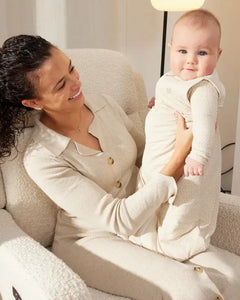
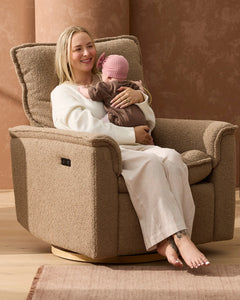
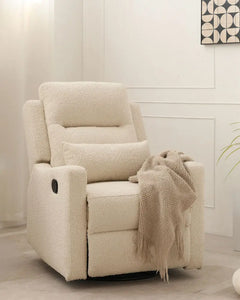
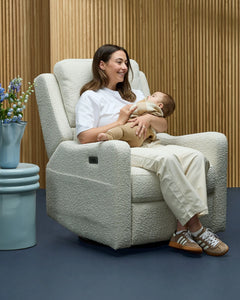
A supportive nursing chair makes long feeds and night settles more comfortable. Avoid falling asleep in a chair while holding your baby.
Shop nursing chairs →High chair
A high chair comes in at around six months, when your baby starts solids and can sit with support.
Shop all high chairs →Feeding Checklist FAQs
What do I need for breastfeeding?
The breastfeeding essentials are few: breast pads, a nipple balm, a supportive nursing bra and a nursing pillow. A breast pump is optional and depends on whether you plan to express.
How many baby bottles do I need?
If you are mainly bottle feeding, four to six bottles is a practical number for a newborn, so you are not washing after every feed. If you are mainly breastfeeding and offering the occasional bottle, two is usually enough.
Do I need a breast pump before the baby arrives?
You do not need a breast pump before birth. Many parents wait to see how feeding goes, then choose a manual pump for occasional expressing or an electric pump for regular use.
Do I need to sterilise baby bottles?
Yes. Australian health guidance is to sterilise bottles, teats and expressing equipment after each use until your baby is 12 months old. Wash everything in warm soapy water first, then use a steriliser.
Is a bottle warmer necessary?
A bottle warmer is not essential, because you can warm a bottle in a jug of warm water. A warmer is quicker and more consistent, which helps most on night feeds. Never use a microwave to warm milk.
Can I combine breastfeeding and bottle feeding?
Yes, many families combine breast and bottle. If you are planning to mix feed, a lactation consultant, midwife or child health nurse can help you work out timing that protects your milk supply.
When does my baby need a high chair?
Your baby needs a high chair from around six months, when they start solid foods and can sit upright with support.
Looking for more options? Explore our wider range of baby bottles, breast pumps and high chairs.
More BLP checklists:
The Nursery Checklist The Bath and Care Checklist The Out and About Checklist The Car Checklist The Play and Bonding Checklist The Family Travel Checklist The Hospital Bag Checklist All checklists